
Your vehicle doesn’t have to suffer a major scratch, accident, or obvious paint damage to start losing its clean, glossy appearance. Some of the most common causes of exterior wear are things your vehicle encounters almost every day.
Sunlight, bird droppings, tree sap, brake dust, and road film can gradually affect your vehicle’s paint, wheels, trim, and other exterior surfaces. Individually, they may not seem serious. But repeated exposure—especially when contaminants are allowed to remain on the vehicle—can make proper maintenance more difficult over time.
Understanding these everyday threats can help you protect your vehicle and keep it looking its best.
UV Exposure and Constant Sunlight
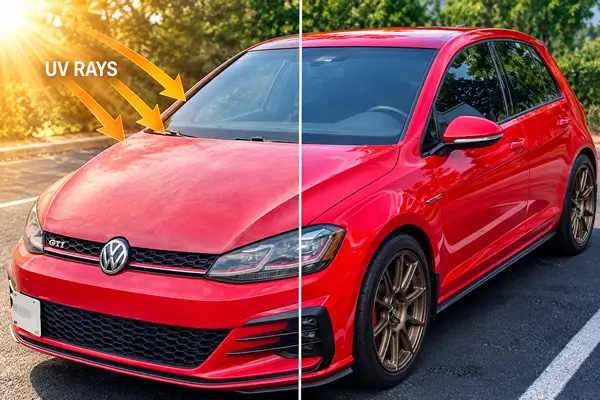
Your vehicle’s paint is designed to withstand outdoor conditions, but years of exposure to ultraviolet rays can gradually affect its appearance.
Vehicles that spend significant time parked outdoors may be especially exposed to direct sunlight. Over time, UV exposure can contribute to fading, oxidation, and a loss of gloss. Exterior plastics and trim can also begin to look dull or weathered.
This is particularly important during the warmer months in Northern Virginia, when vehicles may spend hours sitting in strong sunlight.
Regular washing and detailing help remove surface contamination that can make paint appear dull. For owners looking for longer-lasting exterior protection, a professionally applied ceramic coating can create a durable protective layer over the vehicle’s clear coat while helping preserve gloss and making routine maintenance easier.
Bird Droppings
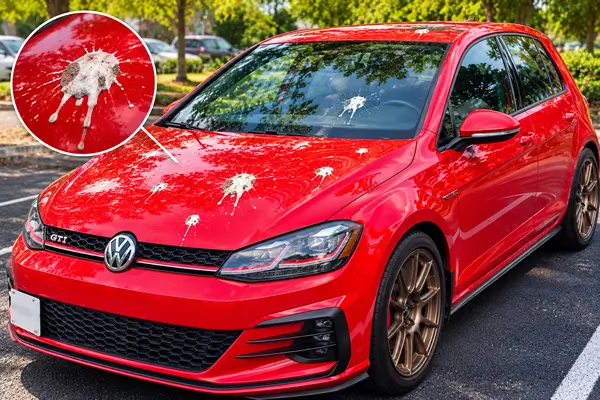
Bird droppings are more than an unpleasant mess on an otherwise clean vehicle.
They contain compounds that can be harmful to automotive finishes when allowed to remain on the surface. Heat from the sun can make the situation worse, particularly when contamination sits on warm paint for an extended period.
The safest approach is to remove bird droppings as soon as reasonably possible rather than allowing them to dry and remain on the vehicle.
Avoid aggressively rubbing dried contamination with a towel. Improper removal can create scratches or swirl marks in the clear coat.
Professional detailing provides a safer way to remove stubborn contamination while minimizing unnecessary abrasion. Ceramic-coated vehicles can also be easier to clean because contaminants generally have more difficulty bonding directly to the paint surface.
Tree Sap
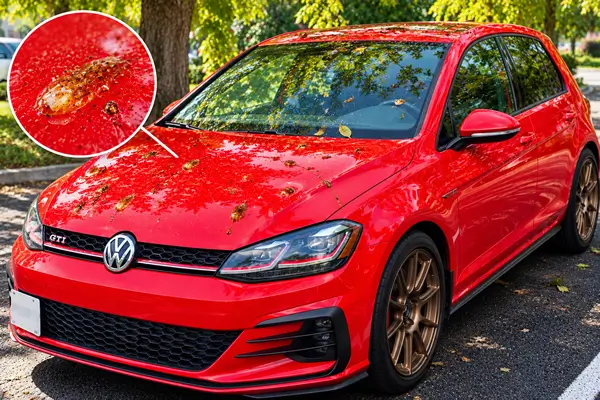
Parking beneath a shady tree can protect your vehicle from direct sunlight, but it can introduce another problem: tree sap.
Fresh sap may initially appear to be a small sticky spot. Once it hardens, however, it can become surprisingly difficult to remove safely. Attempting to scrape hardened sap from the paint or using harsh household chemicals can cause additional damage.
Tree sap can also collect dust and dirt, making the affected area even more noticeable.
Proper removal requires products and techniques appropriate for automotive paint. During premium exterior detailing, bonded contaminants can be addressed carefully before the paint is polished or protected.
A ceramic coating won’t make your vehicle immune to tree sap, but its slick, protective surface can make many contaminants easier to remove before they have an opportunity to become a bigger problem.
Brake Dust
Your wheels deal with a completely different type of contamination.
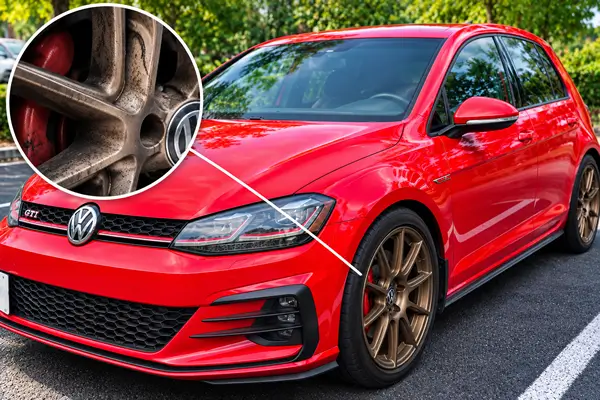
Every time you brake, tiny particles created by the braking process can accumulate on the wheels. This is why clean wheels can quickly develop a dark gray or brown appearance even when the rest of the vehicle still looks relatively clean.
Brake dust shouldn’t simply be ignored between occasional car washes. When combined with road grime, heat, moisture, and other contaminants, buildup can become increasingly difficult to remove.
Regular wheel cleaning helps prevent excessive accumulation and keeps wheels looking well maintained.
Professional detailing can provide a more thorough cleaning of wheels, wheel faces, and other accessible areas where ordinary washing may leave contamination behind.
Road Film and Everyday Driving Contamination
Sometimes the biggest problem isn’t one obvious contaminant—it’s everything your vehicle collects while driving.
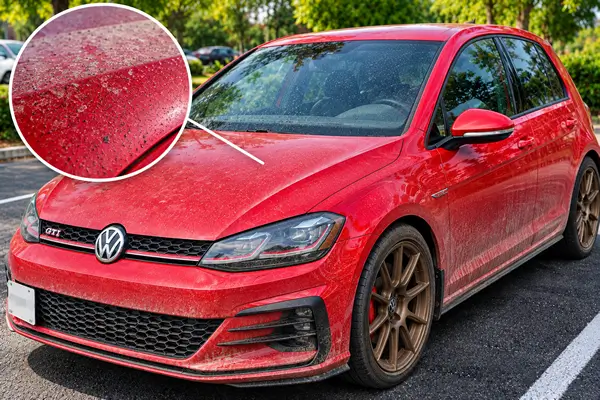
Road film is a mixture of fine dirt, oils, tire residue, exhaust particles, moisture, and other contaminants deposited on your vehicle as you travel. Rain doesn’t necessarily wash this material away. In many cases, wet roads simply add another layer of grime.
Northern Virginia drivers also deal with seasonal contaminants, including pollen in the spring and road salt and deicing materials during winter.
Over time, this buildup can leave paint looking dull even when there isn’t an obvious layer of dirt.
A proper exterior detail goes beyond making the vehicle look clean. Thorough washing and decontamination help remove material that has accumulated on the paint, glass, wheels, and exterior surfaces.
Why Regular Car Washing Isn’t Always Enough
Routine washing is one of the most important parts of vehicle maintenance, but washing and detailing serve different purposes.
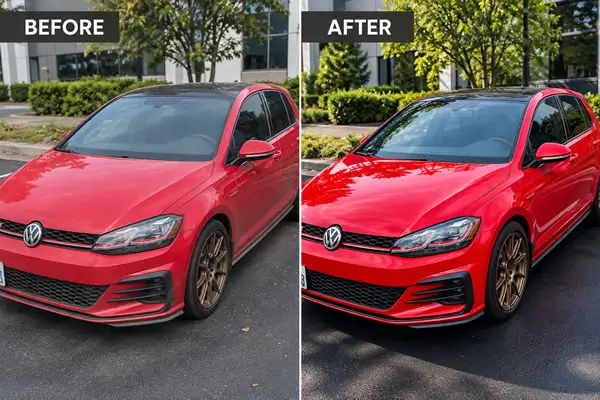
A maintenance wash removes ordinary surface dirt. Professional detailing can go further by addressing embedded or bonded contamination, cleaning difficult areas, restoring gloss where appropriate, and applying protection to exterior surfaces.
The condition of the vehicle matters as well. A vehicle that has accumulated months or years of contamination may require more preparation before protection is applied.
That is why paint protection works best as part of a complete car-care strategy rather than as a substitute for proper maintenance.
How Ceramic Coating Helps Protect Your Vehicle
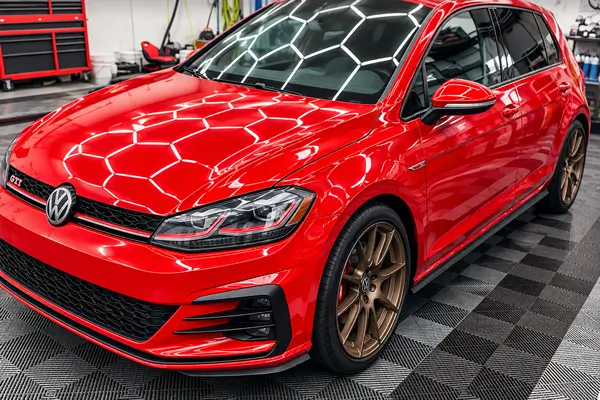
Ceramic coating creates a protective layer that bonds with the vehicle’s painted surface. One of its biggest practical benefits is easier maintenance.
A quality ceramic coating can help:
- Create a hydrophobic surface that sheds water more easily
- Reduce how strongly dirt and environmental contaminants adhere to the paint
- Provide added resistance against environmental exposure
- Enhance paint gloss and depth
- Make routine washing and maintenance easier
Ceramic coating should not be viewed as an invisible shield against every scratch, chip, or contaminant. Your vehicle will still need to be washed and maintained properly.
The advantage is that there is an additional protective layer between your vehicle’s clear coat and many of the contaminants it encounters every day.
Small Habits Can Make a Big Difference
Protecting your vehicle doesn’t require constantly worrying about every speck of dirt. A few good habits can go a long way.
Remove bird droppings and tree sap promptly. Avoid wiping dry dirt from your paint. Wash your vehicle regularly using safe products and techniques. Keep wheels clean before brake dust becomes heavily embedded. And consider professional detailing when ordinary washing is no longer producing the results you want.
For vehicle owners who want additional long-term protection, ceramic coating can be an excellent addition to a consistent maintenance routine.
Premium Auto Detailing and Ceramic Coating in Northern Virginia
Ducky Detailing VA provides professional auto detailing and ceramic coating services designed to help Northern Virginia vehicle owners maintain and protect their cars, trucks, and SUVs.
Whether your vehicle needs a thorough exterior detail, removal of accumulated contaminants, or a ceramic coating for longer-lasting paint protection, proper professional care can help preserve the finish and make ongoing maintenance easier.
Your vehicle faces environmental contamination every day. The goal isn’t just to make it look clean today—it’s to make it easier to keep clean and protected tomorrow.


